Rivals of Aether II's take on Smash Bros. Classic Mode: fight escalating CPUs across stages
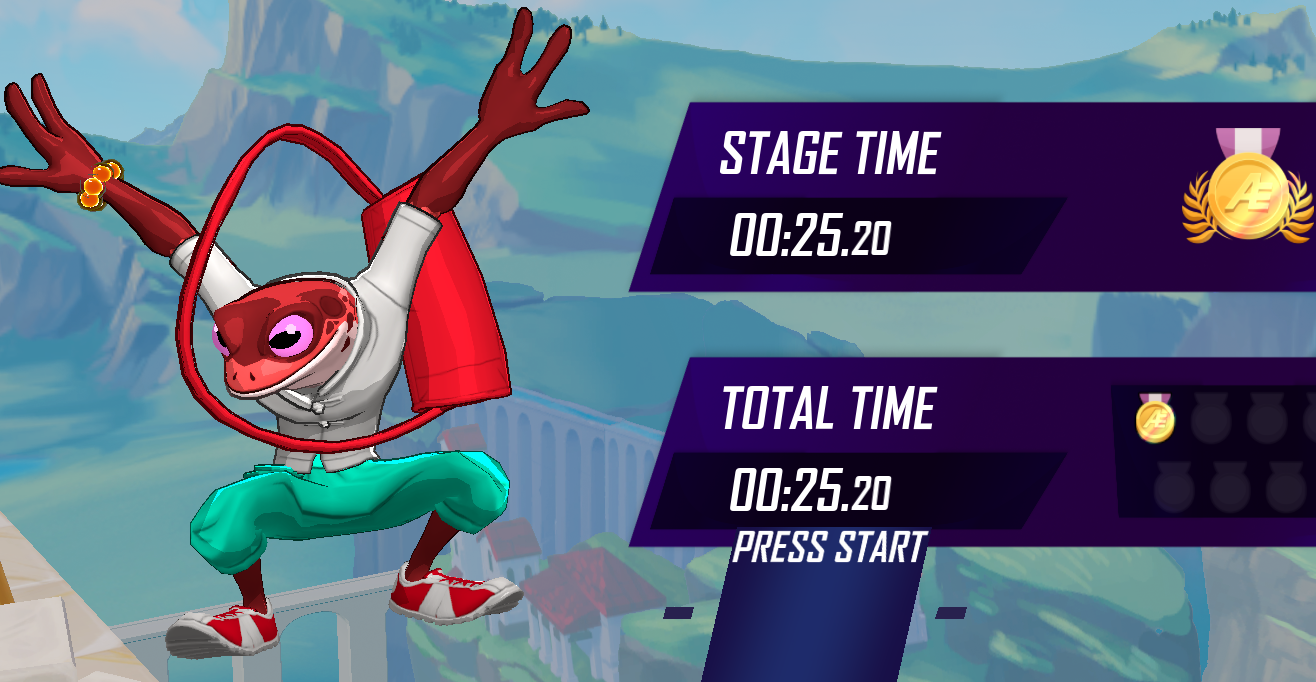
up to a boss. I joined a small team to polish and ship Arcade Mode for launch, owning the
post-match results screen that displays run stats and the stage rating.
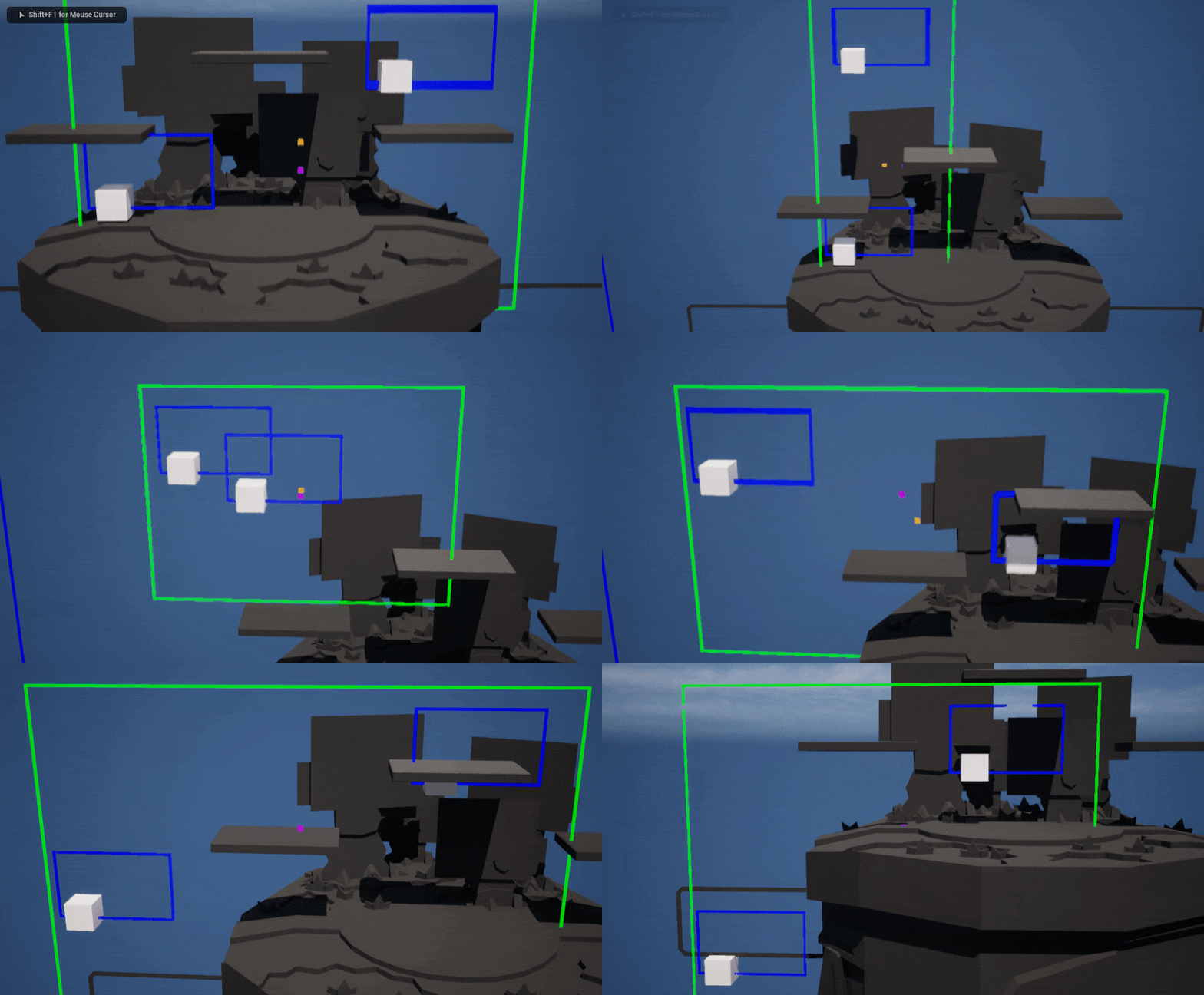
With weeks left before launch, I pitched and prototyped a Break the Targets mode. In days I
had the target entity and a prototype level editor for placing platforms, replacing the old
workflow of hand-typing clockwise vertex values into an Unreal data class with no way to see
them in the level. All 10 target levels shipped on time.
Maypul's Target Test
A two-week reverse engineering project to learn Unreal Engine, and ultimately what got me
hired at Aether Studios. The original camera was strictly 2D and felt stiff coming from other
3D platform fighters. The goal: a Smash-like system that interpolates the camera in 3D so it
feels intentionally directed rather than dragged around by the player.
Camera Rework
A two-week reverse engineering project to learn Unreal Engine, and ultimately what got me
hired at Aether Studios. The original camera was strictly 2D and felt stiff coming from other
3D platform fighters. The goal: a Smash-like system that interpolates the camera in 3D so it
feels intentionally directed rather than dragged around by the player.
The system blends rotation, depth-axis translation, and depth-proportional zoom, adding
rotation subtle enough to be nearly imperceptible but a big lift to camera feel. It computes
a target 'interest' (the point to look at) from the bounding box of the camera subjects, then
rotates slightly (5-10°) toward them to keep them in frame, tilting down near the ground and
up near the blastzone. Position projects the camera's depth along the new rotation plus the
interest.
The original prototype that inspired it is on my
GitHub.
Training Mode
Training mode shipped barebones at launch, built alongside Arcade Mode and the target levels
and heavily inspired by UnclePunch's Training Mode for Melee, my benchmark for what a training
mode should be.
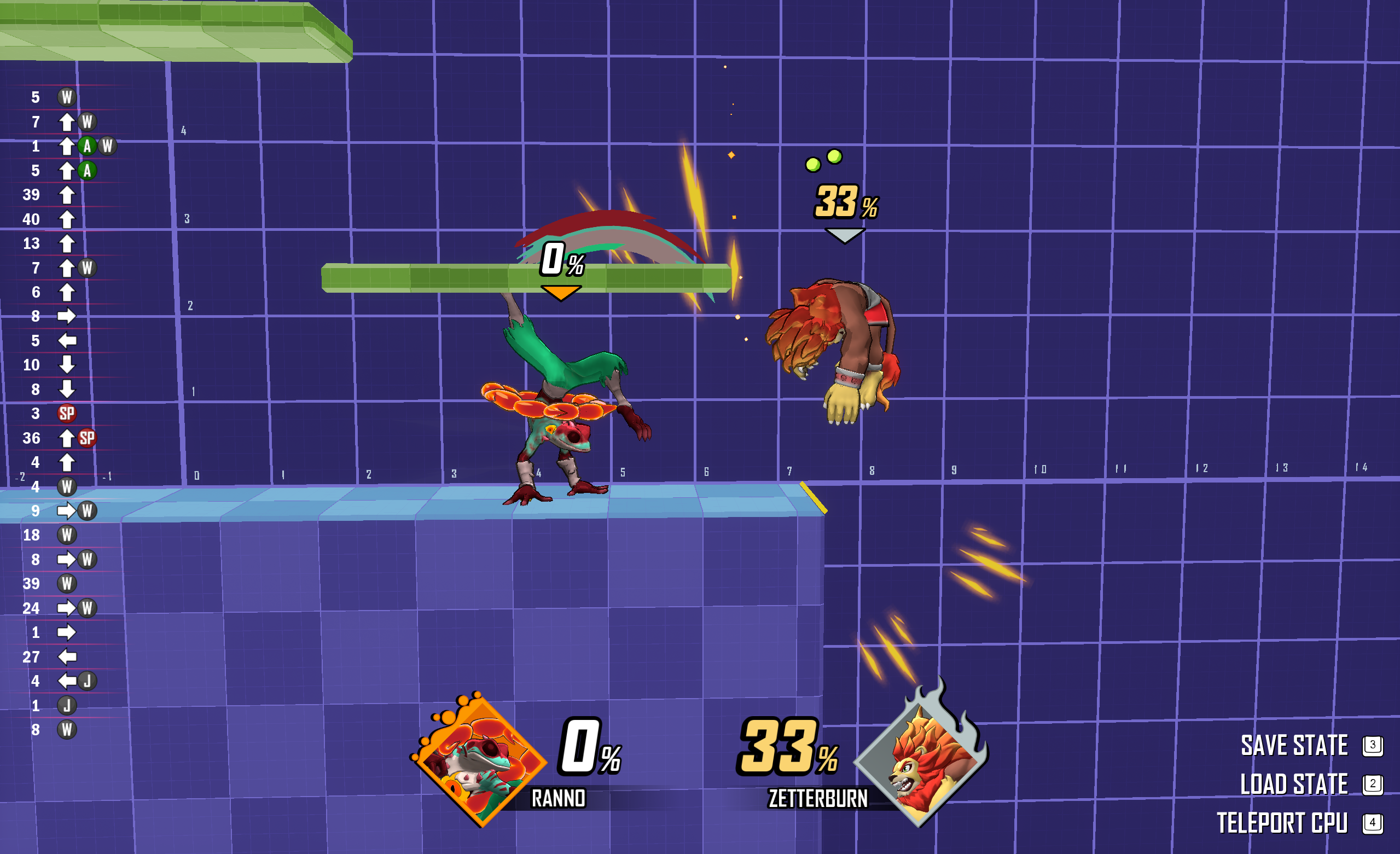
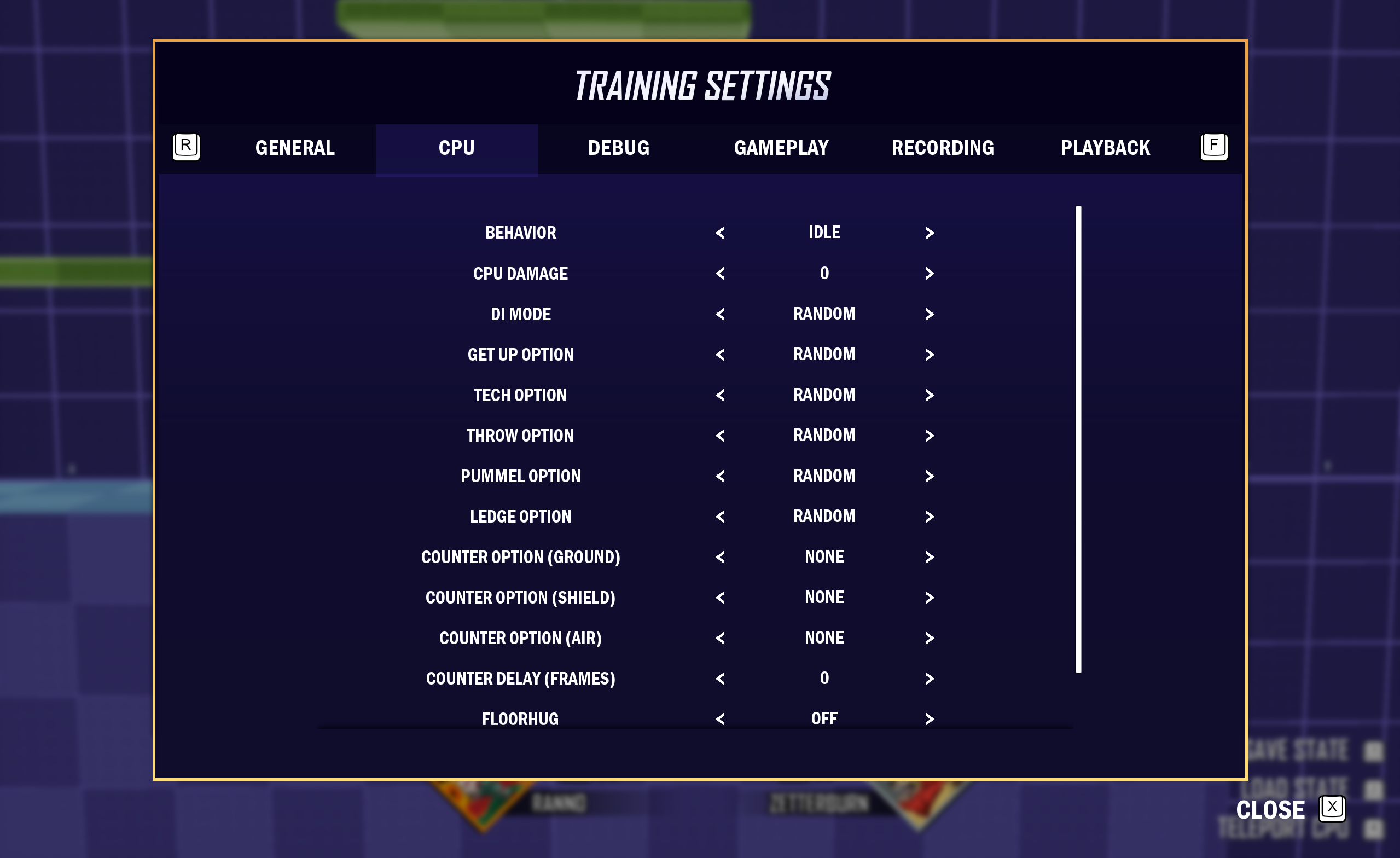
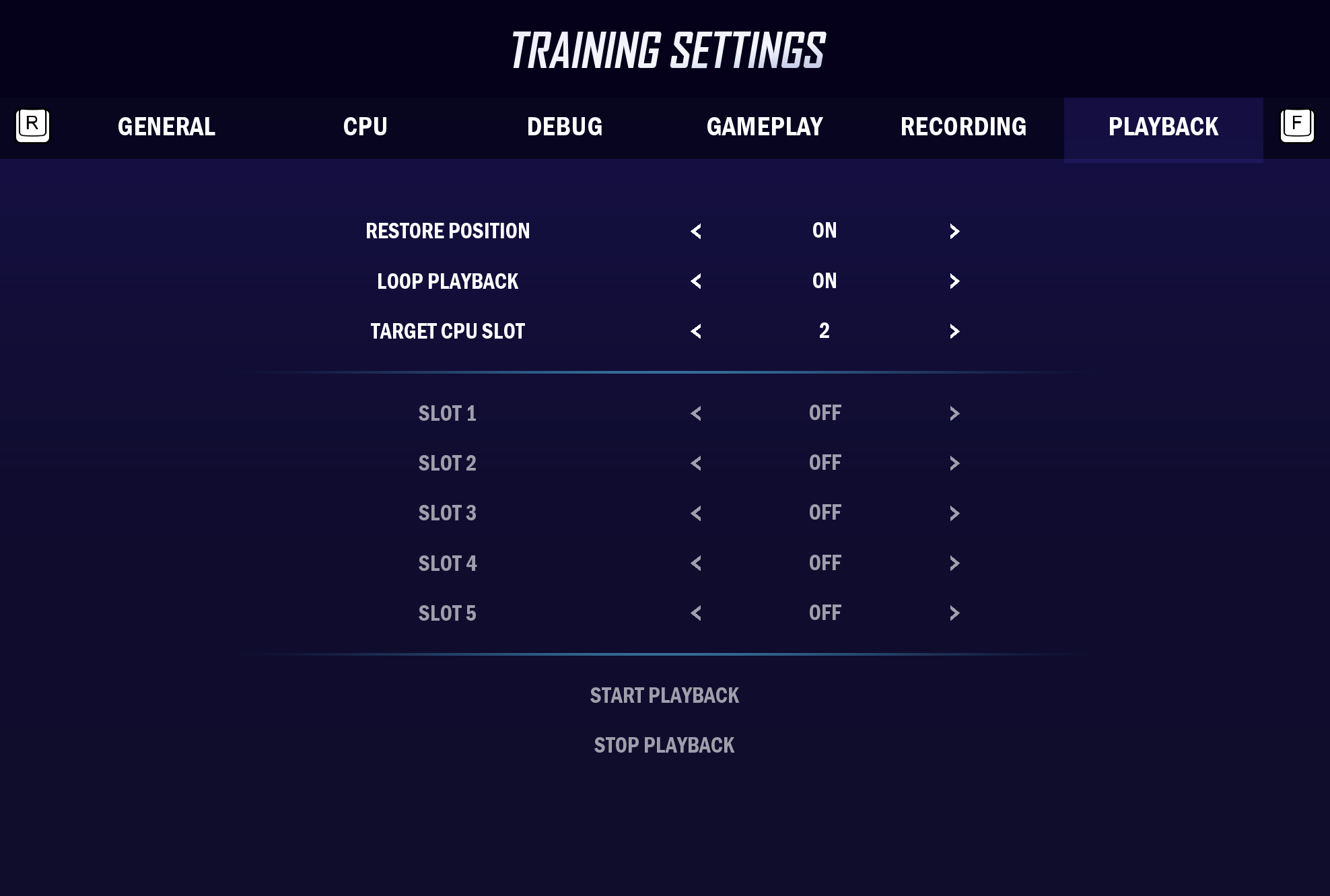
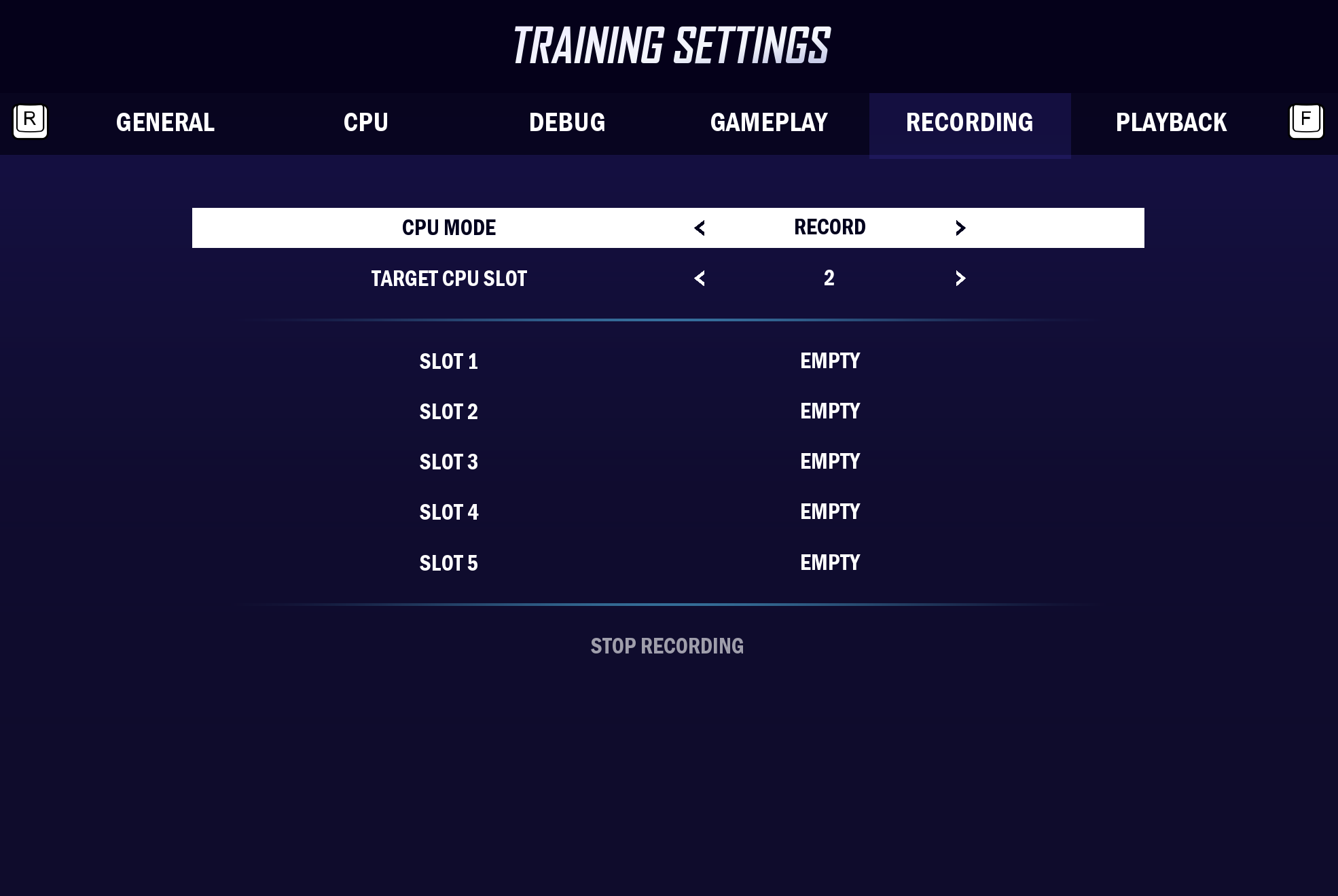
A later revamp brought it closer to Street Fighter 6: input history, input recording and
playback, a much wider set of CPU behaviors, and a long list of community-requested quality of
life features, all in about three to four weeks. The recording and playback system was the
riskiest piece but came together fast once wired into the existing input pipeline, and it's the
feature I'm most proud of from the project.
Tutorials
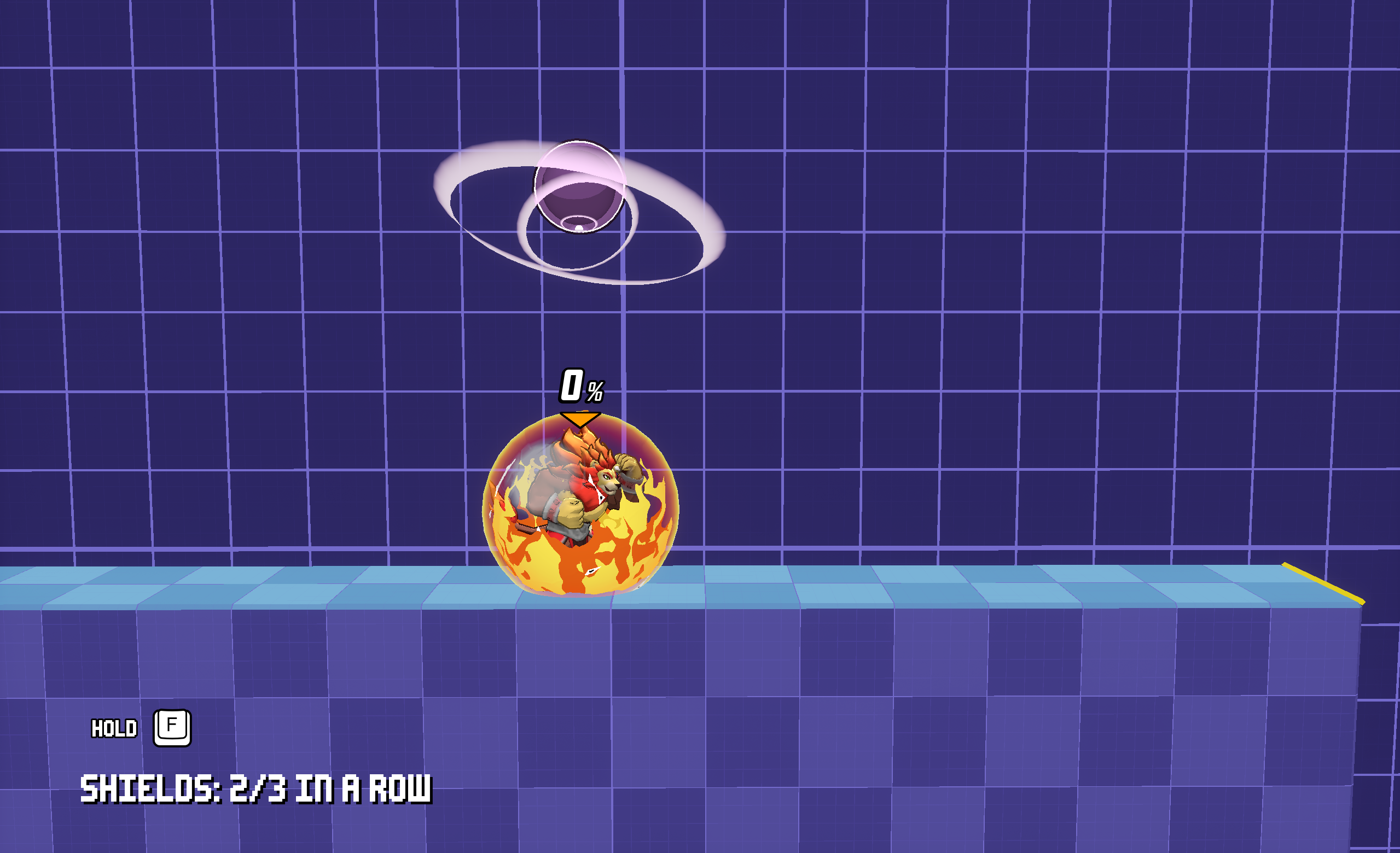
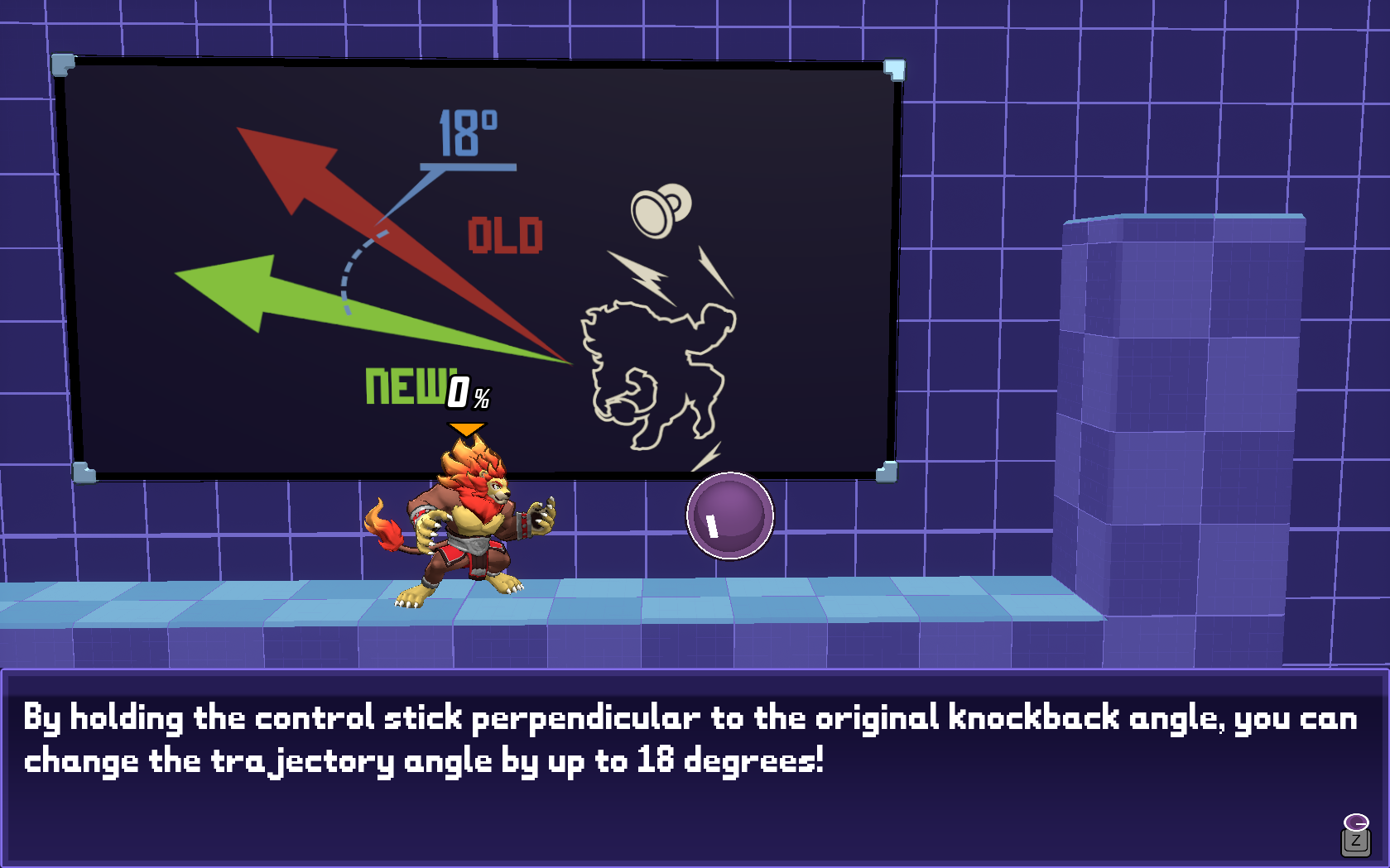
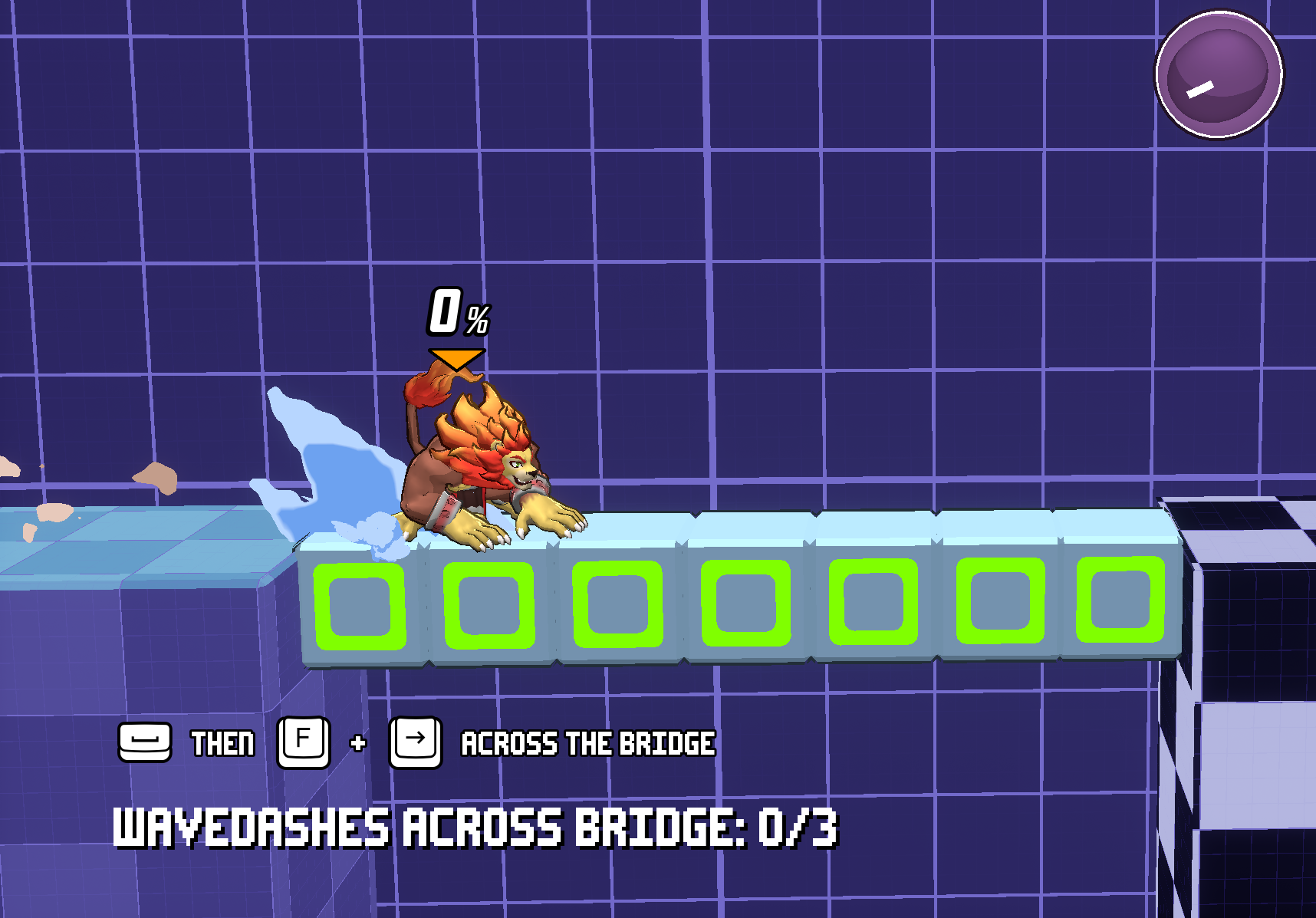
Beginner, intermediate, and advanced tutorial tiers, spanning nearly my entire contract. The
beginner set came first and was the hardest to start: with no framework for guided lessons,
much of the early work built a level scripting system I reused for every tutorial after.
The intermediate lessons (edgeguarding, ledge options, DI, tech chasing) were interrupted
midway by the training mode rework, which I paused them to ship. By then the scripting system
was mature enough to compose most of a lesson from existing pieces.
The advanced lessons were the hardest to land, where the line between "the player did it" and
"the CPU made it look done" is thin, so success conditions had to be precise and went through
many rounds of playtest revisions. Building all three tiers taught me to juggle long-running
feature work while architecting a level system that scales to whatever lesson came next.
Trials
Eye Break Mode
A training mode I concepted and built, inspired by eggcercize from UnclePunch's Training Mode
for Melee. Eyes appear around the stage and the player has to read each one and respond with
the correct input before it disappears, turning reaction time and execution into something you
can drill directly.
Edgeguard Mode
A training tool for practicing edgeguards: keeping a CPU character from recovering back to the
stage. I concepted it months before it shipped. Once the last launch characters had their
recovery logic, spawning a CPU offstage and letting it recover was quick to build. Prototyped
in a few days, working within the week.